
How Long Before You Can Drive on New Concrete?
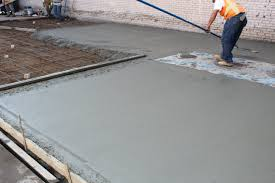
Your contractor just finished pouring your new concrete driveway. It looks perfect. Smooth, level, exactly what you wanted. Now you’re standing there staring at it with your car parked in the street, wondering when you can actually use your driveway. The contractor said something about waiting, but you can’t remember if it was 24 hours or a week. Your neighbor claims he drove on his driveway the next day with no problems. Online forums give wildly different answers, ranging from three days to a month.
Here’s why this question matters: drive on concrete too early, and you’ll create permanent tire marks, cracks, or surface damage that ruins your new driveway. Wait longer than necessary, and you’re inconveniencing yourself for no reason. Understanding how concrete actually gains strength over time helps you make informed decisions instead of either damaging your investment or babying it unnecessarily. Working with experienced concrete contractors in Michigan who understand local climate factors ensures you get accurate guidance for your specific situation, not generic advice that might not apply to Michigan’s weather patterns.
The 24-Hour Myth
Why People Think One Day Is Enough
The 24-hour timeline comes from concrete’s initial set period. Within about 24 to 48 hours after pouring, concrete hardens enough that it’s no longer plastic and wet. You can walk on it without leaving footprints. This leads people to assume it’s ready for vehicle traffic.
This assumption is completely wrong. Surface hardness doesn’t equal structural strength. Concrete continues gaining strength for weeks after that initial hardening. Using it too early, even though it feels solid, can cause damage that appears immediately or shows up months later.
What Actually Happens in 24 Hours
After one day, concrete typically reaches only about 20% of its eventual strength. It’s hard enough to support foot traffic. But a 3,000-pound vehicle concentrating all that weight onto four tire contact patches creates pressure that fresh concrete can’t handle properly.
The surface might not visibly crack or mark when you drive on it at 24 hours. But you’re creating microscopic damage in the concrete structure that leads to premature deterioration, surface scaling, and reduced overall lifespan.
The Real Timeline
Three to Seven Days for Light Vehicles
Most residential concrete driveways can handle light vehicle traffic after about three to seven days, depending on weather conditions and concrete mix specifications. This isn’t when concrete is fully cured. It’s when it has gained enough strength that a normal passenger car weight won’t cause damage.
The exact timeline depends on several factors. Warm weather accelerates curing. Cold weather slows it dramatically. High-strength concrete mixes gain strength faster than standard mixes. And proper curing techniques (keeping concrete moist) improve strength development compared to concrete that dried out too quickly.
Seven Days as the Conservative Standard
Seven days represents the conservative standard that most professional contractors recommend. By one week, concrete has typically gained 60% to 70% of its ultimate strength. This is sufficient for normal residential vehicle traffic from cars, SUVs, and light trucks.
Waiting seven days provides a safety margin that accounts for less-than-ideal curing conditions, unexpected weather, or variations in concrete mix. It’s the “safe bet” timeline that prevents problems.
When You Need to Wait Longer
Heavy Vehicles and Equipment
If you need to park heavy vehicles on your new driveway, RVs, large trucks, boats on trailers, or construction equipment, wait longer than seven days. These vehicles exert pressures that exceed what partially cured concrete can handle well. Two weeks minimum, preferably three or four, gives concrete time to gain the additional strength needed for heavy loads.
Some contractors recommend waiting the full 28-day cure period before allowing very heavy equipment. This might feel excessive. But replacing damaged concrete costs far more than the inconvenience of waiting.
Cold Weather Conditions
Michigan winters complicate the timeline significantly. When concrete is poured in temperatures below 50 degrees, curing slows dramatically. What normally takes seven days might require two weeks or longer in cold weather.
If your driveway was poured in late fall or early spring when temperatures fluctuate, be extra conservative about the wait period. Cold overnight temperatures can essentially pause curing, extending the timeline unpredictably.
The 28-Day Full Cure
Concrete reaches approximately 90% of its ultimate strength at 28 days. This is when it’s considered fully cured for engineering purposes. However, concrete actually continues gaining small amounts of strength for months or even years beyond 28 days through continued hydration.
For residential driveways, you don’t need to wait 28 days to use them normally. But understanding that full strength takes nearly a month helps explain why patience in those first weeks pays off with decades of good performance.
What Happens If You Drive Too Early
Driving on concrete before it’s ready creates several types of damage. Tire marks and impressions in the surface are the most obvious problem. These permanent indentations never go away and look terrible. Surface scaling, where the top layer of concrete eventually flakes off, occurs from weakening of the surface structure. And cracks develop because the concrete couldn’t handle the stress in its weakened state.
Sometimes this damage appears immediately. Sometimes it takes months or years to manifest. Either way, premature use shortens your driveway’s lifespan and degrades its appearance.
Getting Reliable Guidance
Generic internet advice can’t account for your specific situation. The concrete mix your contractor used, the weather during and after pouring, how well the concrete was cured, and what vehicles you’ll be parking all affect the optimal timeline.
Working with experienced professionals like Courtneys Construction who understand these variables ensures you get accurate guidance tailored to your installation rather than following rules of thumb that might not apply to your circumstances.
The bottom line: plan on waiting at least seven days before driving on new concrete, longer for heavy vehicles or cold weather installations. The patience pays off with a driveway that looks good and performs well for 25 to 30 years instead of showing premature wear from use that happens too soon.